Understanding the Basics of Beyin Ameliyatı
Beyin ameliyatı, the surgical intervention aimed at treating various neurological diseases, is a significant aspect of modern medicine. It encompasses a wide range of procedures that address conditions such as brain tumors, hemorrhages, and other critical issues within the central nervous system. As advancements in medical technology continue to emerge, the world of neurosurgery is transforming, offering patients safer and more effective options. With various techniques like minimally invasive surgery and awake craniotomy, understanding what these procedures entail can empower patients to make informed decisions about their healthcare. When exploring options, Beyin ameliyatı offers comprehensive insights on the subject.
What is Beyin Ameliyatı?
Beyin ameliyatı refers to any surgical procedure performed on the brain to treat various conditions. These can include everything from the removal of tumor mass to addressing vascular abnormalities. The ultimate goal of these surgeries is to alleviate symptoms, improve the quality of life, and enhance overall neurological function. Understanding the specific type of brain surgery is crucial as it impacts the expected outcomes and recovery processes.
Types of Beyin Ameliyatı Procedures
There are several types of procedures within the realm of beyin ameliyatı, including:
- Craniotomy: Involves temporarily removing a portion of the skull to access the brain.
- Able and Minimally Invasive Techniques: These include endoscopic procedures that utilize smaller incisions.
- Awake Craniotomy: A technique where the patient is awake during the surgery, allowing for real-time monitoring of brain function.
- Decompressive Craniectomy: Used primarily for severe brain swelling, this involves removing a part of the skull to relieve pressure.
The Importance of Pre-operative Assessment
Before undergoing any beyin ameliyatı, a comprehensive pre-operative assessment is essential. This evaluation typically includes imaging studies such as MRIs or CT scans, neurological examinations, and consultations with other specialists, if necessary. This thorough process helps in formulating a tailored surgical plan, minimizing risks, and maximizing potential outcomes.
Common Concerns About Beyin Ameliyatı
Patients often have numerous questions and concerns when facing surgery. Understanding these common apprehensions can lead to better preparation and a smoother surgical experience.
Identifying Risks Associated with Surgery
Every surgical procedure carries inherent risks, and beyin ameliyatı is no exception. Potential complications can include infection, blood clots, neurological deficits, and reactions to anesthesia. Discussing these risks with a neurosurgeon is vital for setting realistic expectations and ensuring that the benefits of surgery outweigh the potential downsides.
Patient Expectations vs. Reality
It’s important for patients to have realistic expectations about the outcomes of their surgery. While many patients may experience significant improvements, others may find that recovery takes longer than anticipated or that certain symptoms persist. Open communication with the healthcare team can help align these expectations with reality.
How to Choose the Right Neurosurgeon
Selecting a qualified neurosurgeon is crucial for a successful outcome. Factors to consider include the surgeon's experience, specialization, and track record with similar cases. Additionally, seeking referrals from primary care physicians or other specialists can provide further insights into the best options available.
The Surgical Process Explained
Understanding the surgical process can alleviate anxiety and help patients prepare effectively. Here’s what typically happens during a beyin ameliyatı.
What Happens During a Beyin Ameliyatı?
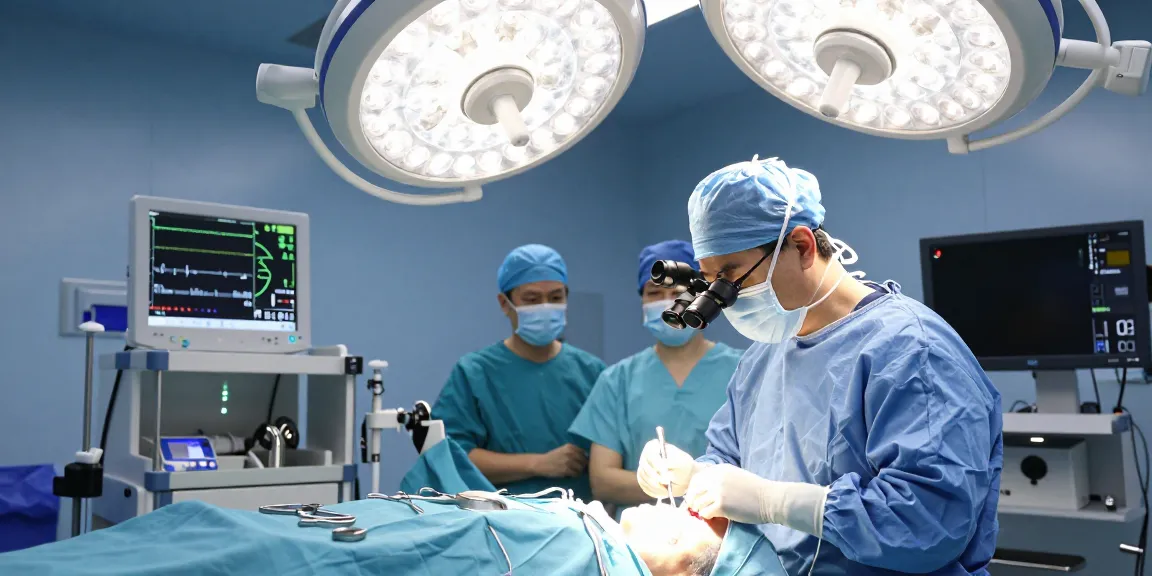
During beyin ameliyatı, the surgical team will first prepare the patient, including administering anesthesia. The surgeon will then perform the necessary procedure, whether it involves tumor resection, aneurysm clipping, or another intervention. Throughout the operation, advanced monitoring techniques are employed to ensure the patient's safety and brain function integrity.
Post-operative Care and Monitoring
Post-operative care is a critical component of the overall treatment plan. Patients are typically monitored in a recovery unit for signs of complications, and once stabilized, they may be transferred to a hospital room for further observation. Pain management and nursing support are essential during this phase.
Utilizing Modern Technology in Surgery
Advances in technology, such as intraoperative MRI and sophisticated imaging techniques, play a significant role in enhancing surgical precision. These technologies allow surgeons to visualize the brain in real time, making it easier to remove tumors or address problematic areas without damaging healthy tissue.
Recovery After Beyin Ameliyatı
The recovery journey varies significantly from person to person, influenced by the type of surgery performed and individual health factors.
Timeline for Recovery and Rehabilitation
Generally, the initial recovery period lasts from a few days to several weeks, depending on the complexity of the surgery. During rehabilitation, patients might engage in physical therapy, occupational therapy, and other supportive care to help regain strength and function. It’s important for individuals to adhere to follow-up appointments and engage in recommended therapies.
Managing Pain and Other Symptoms
Post-operative pain management is a vital part of recovery. Patients are often prescribed medications to control pain and minimize discomfort. Awareness of other potential symptoms, such as headaches or fatigue, is important, and any new or escalating symptoms should be promptly reported to healthcare providers.
Importance of Support Systems
Having a strong support system during recovery can significantly impact the healing process. Family members, friends, and healthcare professionals play crucial roles in providing emotional and physical support, which can help alleviate anxiety and improve outcomes.
Financial Aspects of Beyin Ameliyatı
Understanding the financial implications of beyin ameliyatı is essential for effective planning and minimizing stress surrounding the procedure.
Understanding Costs and Insurance Coverage
The cost of beyin ameliyatı can vary widely depending on various factors, including the type of procedure, hospital location, and whether it’s performed in a public or private facility. Patients are encouraged to familiarize themselves with their insurance coverage to understand what is covered and what out-of-pocket expenses may arise.
Financial Planning for Surgery
Financial planning is crucial when facing surgery. Patients should obtain a detailed estimate from their healthcare provider and communicate with their insurance company to clarify coverage details. Establishing a budget that includes post-operative care and any potential rehabilitation costs can lead to a smoother recovery experience.
Affordable Options for Patients in Need
For patients lacking sufficient insurance coverage, various options may assist in managing costs. Programs offered by hospitals, charitable organizations, or national health services can sometimes provide financial assistance or sliding scale fees based on income.
What Follow-Up Questions Should Patients Ask?
After the initial consultation, patients should come prepared with questions that pertain to their unique situation, such as the expected outcomes, recovery times, and any specific post-surgical care instructions. This ensures that they have a comprehensive understanding of the process ahead.
How to Prepare for Unexpected Surgery Costs?
Unexpected costs can arise with any surgical procedure, making it essential for patients to prepare financially. Keeping a buffer in their budget for unforeseen charges, and discussing these possibilities with their healthcare provider can yield beneficial insights.
What is the Long-Term Outlook After Surgery?
The long-term outlook following beyin ameliyatı largely depends on the underlying condition being treated, the success of the surgery, and the effectiveness of post-operative care. For more information, Beyin ameliyatı offers valuable insights. Regular follow-ups and a proactive approach to health can help maintain quality of life.