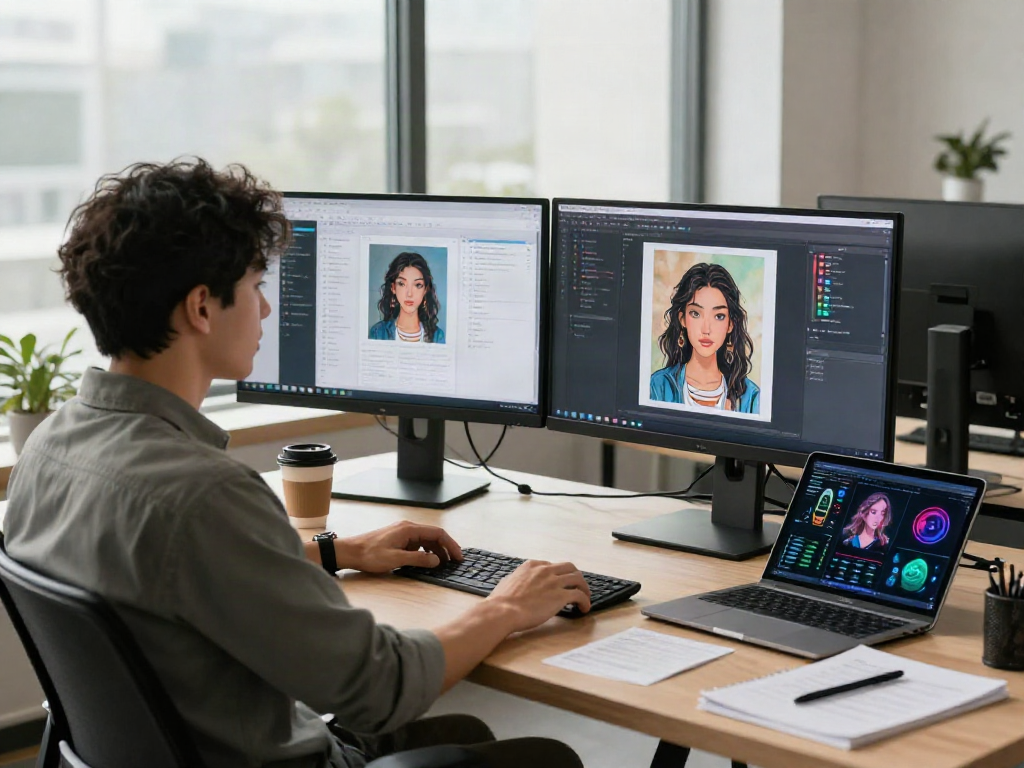
Understanding AI Image Detection Technology
As digital media continues to evolve, the emergence of AI-generated content has raised significant concerns regarding authenticity and trust. AI image detectors are advanced tools designed to identify images created or manipulated by artificial intelligence, serving as critical safeguards in our increasingly visual world. By leveraging state-of-the-art technology, these detectors enable users to discern the source of images while combating misinformation and preserving the integrity of digital media. When exploring options, AI Image Detector tools offer comprehensive insights into the nature of visual content, enhancing the accuracy of assessments and promoting authenticity.
What is an AI Image Detector?
An AI Image Detector is a software tool that analyzes images to determine if they were generated by artificial intelligence or manipulated in some way. These detectors utilize machine learning algorithms and neural networks to scrutinize features within an image, comparing them against known datasets of AI-generated content. As these tools evolve, they become more adept at identifying subtle cues that distinguish authentic photographs from those that have been created or altered by AI technologies, such as DALL·E, Stable Diffusion, or MidJourney.
How AI Image Detectors Work
AI image detectors function through a series of complex processes involving image analysis, pattern recognition, and feature extraction. When a user submits an image, the detector performs several evaluations:
- Feature extraction: The software identifies key characteristics of the image, such as color distributions, textures, and shapes.
- Pattern recognition: Using trained models, the detector compares the extracted features to those of known AI-generated or manipulated images, looking for familiar patterns.
- Confidence scoring: The system assigns a confidence score representing the likelihood that the image is AI-generated, providing users with clear actionable insights.
This multi-step approach allows for a nuanced understanding of image origin, catering to various needs, from digital journalism to academic research.
Types of AI Image Detectors Available in 2026
As technology advances, so too does the sophistication of AI image detectors. In 2026, several prominent types of detectors have emerged, catering to diverse user needs:
- General-purpose detectors: These tools analyze a wide array of images, focusing on identifying common AI-generated characteristics.
- Specialized detectors: Some detectors are designed for specific applications, such as deepfake detection in video content or forensic analysis in digital photography.
- Real-time detectors: With advancements in processing speeds, some tools now offer instant analysis, making them ideal for live environments like social media platforms.
- Batch processing detectors: These tools can analyze multiple images simultaneously, ideal for organizations needing to assess large volumes of content efficiently.
The Importance of Detecting AI-Generated Images
Combatting Misinformation with AI Image Detectors
The proliferation of AI-generated images has significant implications for misinformation and public perception. In a world where visual content can be easily manipulated, the ability to detect AI-generated images is crucial for journalists, researchers, and everyday users. AI image detectors empower users to discern truth from deception, enhancing the credibility of information shared across media platforms. By identifying misleading content, these tools help preserve public trust and promote informed discourse.
Preserving Authenticity in Digital Media
In an age where authenticity is paramount, AI image detectors serve as watchdogs of digital integrity. They ensure that content shared online maintains its original context, protecting individuals and organizations from unintentional dissemination of fake or misleading images. This preservation of authenticity is especially vital for brands and media outlets that rely on public trust for their reputation and effectiveness. The use of AI image detectors can foster a more responsible digital landscape where users can make informed choices about the content they consume.
Real-World Applications and Case Studies
The applications of AI image detectors span multiple industries, showcasing their versatility and importance:
- Journalism: News organizations employ AI image detectors to verify the authenticity of images submitted by sources, ensuring that only credible content is published.
- Social Media Platforms: As misinformation proliferates, platforms are increasingly using AI image detectors to flag and remove AI-generated content that violates community standards.
- Legal Fields: Lawyers and investigators rely on these tools to assess the authenticity of photographic evidence in court cases.
- Art and Creative Industries: Artists and curators use image detectors to verify the originality of artworks, protecting their creative integrity.
Challenges in AI Image Detection
Common Limitations of AI Image Detectors
Despite their advancements, AI image detectors are not foolproof. Some common limitations include:
- False Positives: Detectors may incorrectly classify authentic images as AI-generated, leading to unnecessary scrutiny.
- False Negatives: Conversely, the tools may fail to recognize certain AI-generated visuals, particularly if they are subtly crafted.
- Data Dependency: The accuracy of detection systems is contingent upon the quality and variety of the training data used to develop the algorithms.
Misconceptions Surrounding AI Detection Accuracy
Many users hold misconceptions about the capabilities of AI image detection technology. Common myths include:
- Absolute Accuracy: Some believe these tools are infallible, while in reality, they operate within a spectrum of probabilistic confidence.
- One-size-fits-all Solutions: Users may assume that all detectors perform equally well across various types of images, overlooking tailored solutions designed for specific contexts.
Strategies for Overcoming Detection Challenges
To address the limitations of AI image detectors, users can adopt several strategies:
- Combining Tools: Utilizing multiple detectors can improve accuracy, as each tool may excel in different aspects of image analysis.
- Staying Informed: Regularly updating knowledge about advancements in AI detection can enhance understanding and improve tool selection.
- Providing Feedback: Engaging with developers by reporting inaccuracies can contribute to improving detection algorithms over time.
Future Trends in AI Image Detection Tools
Innovations on the Horizon for 2026 and Beyond
Looking ahead, the future of AI image detection is marked by exciting innovations:
- Enhanced Algorithms: Future detectors are likely to leverage more sophisticated machine learning techniques, improving overall accuracy and reducing false positives and negatives.
- User-Friendly Interfaces: As these tools evolve, user interfaces will become more intuitive, enabling easier access for non-experts.
- Integration with Other Technologies: AI image detectors may increasingly be integrated with cybersecurity tools, providing comprehensive content verification solutions.
Impact of AI Regulations on Image Detection
As concerns about AI-generated content continue to mount, regulatory frameworks are likely to emerge, shaping the development and deployment of AI image detectors. These regulations may mandate transparency in AI usage and establish protocols for content verification, ensuring that users can trust the tools available to them.
Technological Advances Driving Better Accuracy
Advancements in computational power and data processing capabilities will further enhance the effectiveness of AI image detectors. Innovations such as federated learning—where models learn from decentralized data—could provide significant improvements by allowing detectors to learn from diverse datasets while respecting user privacy.
Choosing the Right AI Image Detector for Your Needs
Factors to Consider When Selecting an AI Image Detector
When selecting an AI image detector, it is essential to consider several factors:
- Accuracy Rate: Look for tools with high accuracy scores that have been tested against a variety of datasets.
- Speed of Analysis: Depending on the application, real-time analysis may be critical.
- Usability: A user-friendly interface can make a significant difference in the overall experience, particularly for non-technical users.
Comparing Popular AI Image Detector Tools
There are numerous AI image detectors available, each with distinct features. Popular options to consider include:
- ZeroGPT: Known for its robust analysis of AI image generation across various platforms.
- DeepAI: Offers a versatile detection tool that is user-friendly and effective.
- TruthScan: Provides a high accuracy rate specifically tailored for fraud detection across media.
Best Practices for Effective Use of Detection Software
To maximize the effectiveness of AI image detectors, users should adhere to best practices:
- Cross-Verification: Whenever possible, cross-verify results using multiple detection tools for enhanced confidence.
- Stay Current: Regularly update software and engage with updates in detection technology to ensure optimal performance.
What is an AI Image Detector?
AI image detectors are powerful tools that help differentiate between AI-generated and authentic images. They leverage complex algorithms, making them essential in an era where digital manipulation is rampant.
How accurate are AI Image Detectors in 2026?
As of 2026, AI image detectors boast accuracy rates that can range from 85% to over 95%, depending on the tool, dataset used, and image characteristics. Continuous improvements in detection algorithms contribute to increasing these accuracy rates.
Can AI Image Detectors be fooled?
While AI image detectors are sophisticated, they are not invulnerable. Highly intricate or indistinguishable images may still evade detection. The technology is constantly evolving to address such challenges.
What industries benefit most from AI Image Detectors?
Industries greatly benefiting from AI image detectors include journalism, digital media, cybersecurity, and legal sectors, where the authenticity of visual content is paramount.
Where can I find the best AI Image Detection tools?
When searching for reliable AI image detection tools, consider reputable tech platforms, academic sources, and specialized websites focusing on AI technologies to find the most effective solutions tailored to your needs.