Essential Guide to Glass Cutting Tables: Professional Techniques for 2026
Understanding Glass Cutting Tables
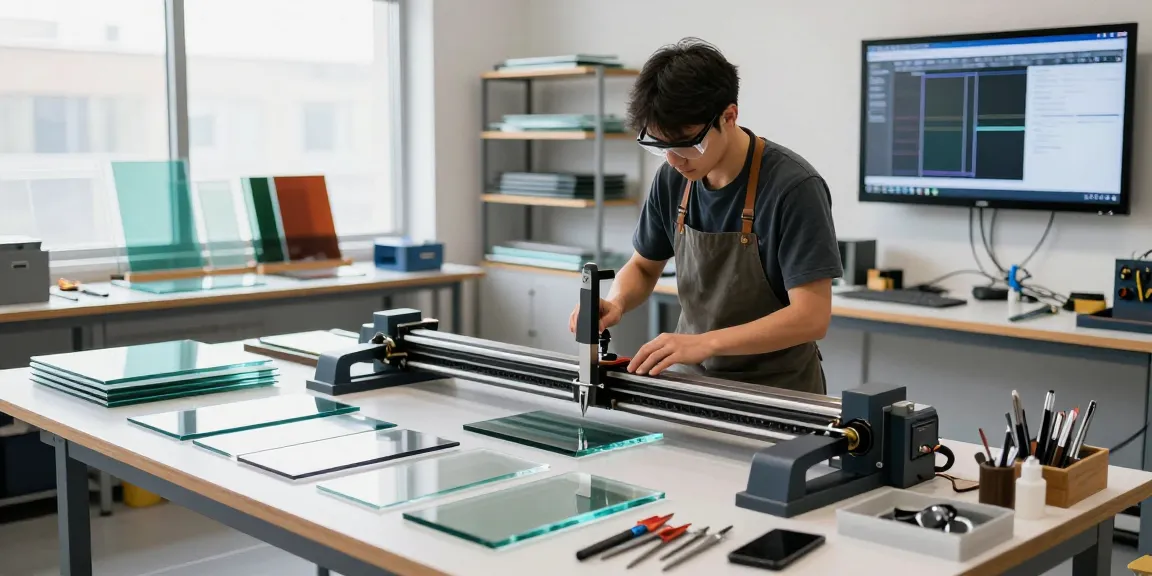
Glass cutting tables serve as essential equipment in the glass processing industry, providing a stable and accurate platform for cutting various types of glass. These tables not only enhance precision but also significantly improve workflow efficiency within production facilities. From small-scale artisanal workshops to large-scale glass manufacturing plants, the use of a quality glass cutting table is pivotal for achieving optimal results in glass fabrication.
What is a Glass Cutting Table?
A glass cutting table is specifically designed to provide a flat and stable surface for cutting glass sheets. This equipment assists in the precise scoring and breaking of glass, ensuring clean edges and minimizing wastage. Typically constructed from strong materials, these tables often feature special surfaces, like carpet or rubber, that prevent glass slipping and provide cushioning against impacts.
Key Features of Modern Glass Cutting Tables
- Flat Surface: Ensures that the glass is held steady during cutting. A perfectly flat table prevents warping or bending, which can lead to inaccurate cuts.
- Scoring Mechanism: Integrated scoring tools allow for precise scoring of glass before breaking it along the line.
- Adjustable Height: Some models feature adjustable heights to accommodate various working conditions and user preferences.
- Safety Features: Modern tables come equipped with safety guards to prevent accidents during operation.
- Portability: Depending on the model, some cutting tables are designed to be lightweight and mobile, facilitating easy relocation within a workshop.
Types of Glass Cutting Tables Available
There are several types of glass cutting tables available on the market, each designed to meet specific production needs:
- Manual Cutting Tables: These tables require the operator to manually score and break the glass. They are often used by artisans or in smaller workshops.
- Automatic Glass Cutting Tables: Featuring advanced technology, these tables automate the cutting process, increasing efficiency and consistency for large-scale operations.
- CNC Glass Cutting Tables: Computer Numeric Control (CNC) tables allow for precise cutting of complex shapes and patterns, making them ideal for intricate designs.
- Vacuum Cutting Tables: These tables utilize vacuum technology to securely hold glass in place during cutting, ensuring stability and safety.
Benefits of Using a Glass Cutting Table
The use of a dedicated glass cutting table provides numerous advantages that enhance both quality and operational efficiency in glass processing. Understanding these benefits can help businesses make informed equipment decisions.
Precision and Accuracy in Glass Cutting
One of the most significant advantages of using a glass cutting table is the precision it offers. Modern tables are engineered to provide accurate measurements, leading to consistent results. Scoring glass correctly is crucial; any deviation can lead to cracks or uneven breaks, which affect the overall quality of the product.
Improving Workflow Efficiency
Glass cutting tables streamline workflows by providing a designated space for cutting tasks, reducing the time spent on each job. By minimizing manual handling and the need for adjustments, these tables enhance productivity, allowing workers to focus on other critical aspects of glass processing.
Enhancing Safety Measures in Glass Processing
Safety is paramount in glass processing environments. Glass cutting tables are designed with various safety features, such as reinforced edges and guards, helping to prevent accidents. The stability offered by these tables also reduces the risk of glass slipping or breaking unexpectedly, providing a safer working environment.
Choosing the Right Glass Cutting Table for Your Needs
Selecting the appropriate glass cutting table involves a detailed assessment of production requirements, technological options, and budget considerations. Making an informed decision is crucial for maximizing your investment.
Assessing Your Production Requirements
Before purchasing a glass cutting table, it’s essential to evaluate your production volume, types of glass processed, and required cutting capabilities. High-volume facilities may benefit more from automated or CNC solutions, while smaller operations might find manual tables sufficient.
Comparing Manual vs. Automated Glass Cutting Solutions
When deciding between manual and automated glass cutting tables, consider the trade-offs. Manual tables are typically less expensive and require less maintenance, but they demand more labor and may result in inconsistencies. Automated systems, while costlier, provide speed and accuracy, significantly increasing output.
Cost Considerations and Budget Management
The cost of glass cutting tables can vary widely based on features, size, and technology. Setting a clear budget will help narrow down options and ensure that you invest in equipment that aligns with your financial constraints while still meeting quality and performance standards.
Operating Techniques for Glass Cutting Tables
To achieve the best outcomes when using a glass cutting table, operators must implement effective techniques and practices. Familiarity with the equipment is key to maximizing its potential.
Best Practices for Efficient Glass Cutting
- Regular Calibration: Ensure that the table is regularly calibrated to maintain precision in measurements.
- Use Quality Tools: Always utilize high-quality cutting tools for piercing glass, as dull blades can lead to mistakes.
- Maintain Cleanliness: Keep the table clean and free from debris that could interfere with the cutting process.
Common Mistakes to Avoid When Using a Glass Cutting Table
Common pitfalls include neglecting maintenance checks, using improper scoring techniques, and failing to secure the glass properly. Avoiding these mistakes can significantly improve overall cutting quality.
Maintenance Tips for Longevity of Equipment
To prolong the lifespan of your glass cutting table, follow these maintenance guidelines:
- Perform regular inspections for wear and tear.
- Clean the cutting surface after each use to prevent buildup.
- Store the table in a dry, stable environment to avoid warping or deterioration.
Future Trends in Glass Cutting Technology
The glass processing industry is rapidly evolving, with new technologies emerging. Staying ahead of these trends can position businesses for significant competitive advantages.
Innovations in Glass Cutting Equipment for 2026
In 2026, we expect further advancements in CNC technology, with improved precision and efficiency in glass cutting equipment. Enhanced software integration is likely to allow for more complex cutting patterns and finer control over production processes.
Automation and Artificial Intelligence in Glass Processing
Automation will play a crucial role in the future of glass processing. AI-driven systems can analyze production patterns and optimize operations, improving both speed and accuracy in cutting processes.
Environmental Considerations and Sustainable Practices
With growing concerns over environmental impacts, sustainable practices are becoming increasingly essential in manufacturing. Future glass cutting technologies are expected to incorporate eco-friendly materials and processes that reduce waste and energy consumption.
What materials can be cut on a glass cutting table?
Glass cutting tables are primarily designed for various types of glass, including tempered glass, laminated glass, and float glass. Certain models may also accommodate materials such as acrylic or polycarbonate, depending on their specifications.
How much does a professional glass cutting table cost?
The cost of professional glass cutting tables can range from a few hundred dollars for basic manual models to several thousands for advanced CNC systems, reflecting the technology and features included.
What maintenance is required for a glass cutting table?
Maintaining a glass cutting table mainly involves regular cleaning, lubrication of moving parts, and periodic calibration to ensure optimal performance and longevity.
Can glass cutting tables be used for DIY projects?
Yes, smaller manual glass cutting tables are often used for DIY glass cutting projects in home workshops. They are ideal for crafting and repairing glass items.
What safety precautions should be taken when using glass cutting tables?
Safety precautions include wearing protective eyewear, ensuring the area is clear of obstructions, and using gloves to prevent cuts from broken glass. Proper training on equipment usage is also essential.