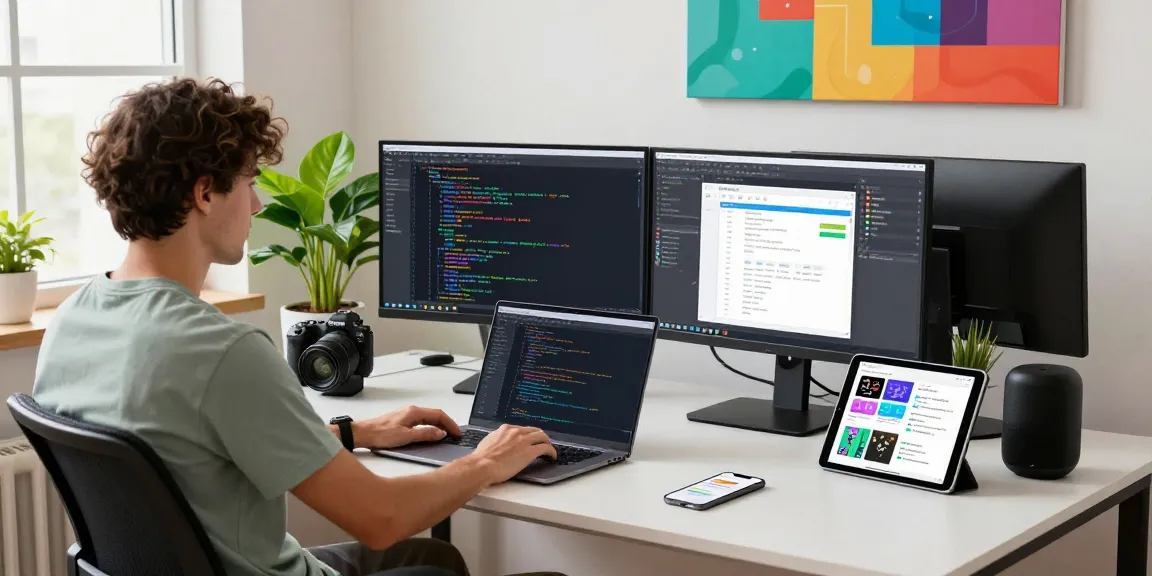
Mastering the Nano Banana 2: 2026’s Advanced AI Image Editing Revolution
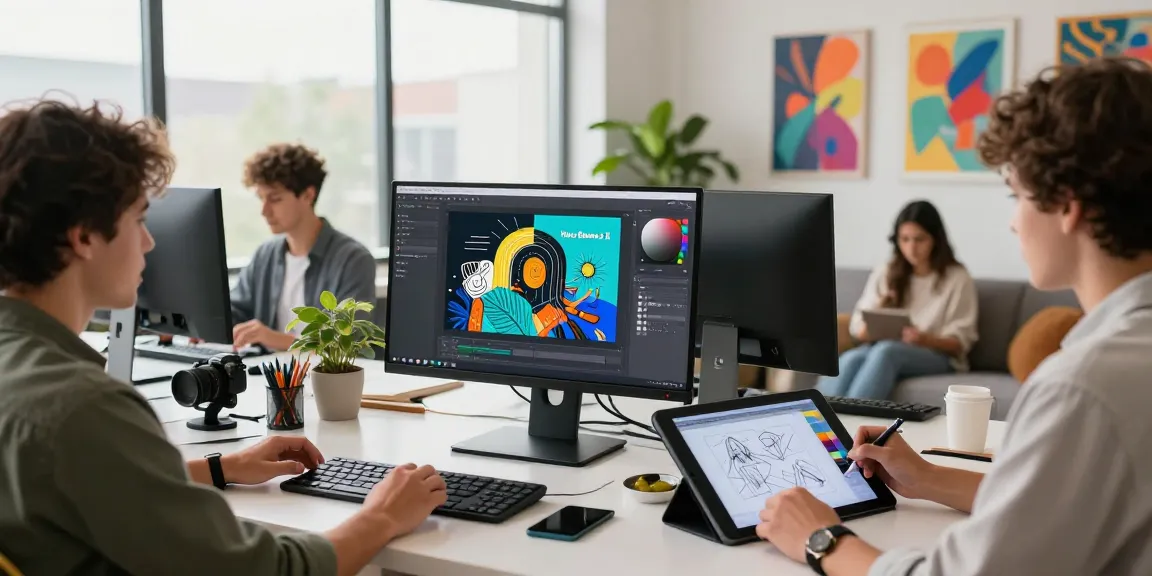
Introduction to Nano Banana 2 and Its Significance
The world of digital art and image editing is rapidly evolving, and at the forefront of this transformation is Nano Banana 2, an innovative AI image editor developed by Google. This advanced tool integrates cutting-edge technology to enhance the creative capabilities of artists, designers, and content creators across various industries. By leveraging deep learning algorithms, Nano Banana 2 offers users the ability to generate stunning visuals from text prompts, manipulate images with unprecedented precision, and maintain artistic consistency throughout their work. This article explores the features, applications, and best practices of Nano Banana 2, making it an essential resource for anyone looking to maximize their creative potential.
When seeking a platform that embodies the spirit of creativity and innovation, nano banana 2 stands out as a comprehensive solution. Whether you’re a seasoned professional or an emerging artist, understanding how to effectively use this powerful tool will undoubtedly elevate your creative projects to new heights.
What is the Nano Banana 2 AI Image Editor?
Nano Banana 2 is the latest iteration of Google’s AI image generation and editing platform, designed to revolutionize the way creators interact with visual content. This model enhances its predecessor’s capabilities, offering improved image generation quality, advanced text-to-image processing, and a user-friendly interface that caters to both novices and experts alike. With the ability to understand contextual prompts and apply sophisticated reasoning, Nano Banana 2 generates images that are not only visually appealing but also contextually relevant.
Key Features and Improvements Over Previous Models
One of the standout features of Nano Banana 2 is its enhanced visual reasoning capabilities. Unlike earlier models, this version can grasp complex spatial relationships and maintain consistency across multiple edits, which is crucial for professional editing tasks. Key improvements include:
- Advanced Prompt Interpretation: Nano Banana 2 can comprehend nuanced user commands, translating them into high-quality visuals that align with the user’s vision.
- 3D Object Manipulation: Users can manipulate three-dimensional objects within a two-dimensional space, allowing for intricate adjustments without compromising the overall image quality.
- High-Quality Image Outputs: With the capability of producing images at resolutions up to 4K, Nano Banana 2 ensures that creators can work with high-fidelity visuals suitable for various applications.
- Consistency Preservation: The model excels at maintaining stylistic and compositional consistency across different images, making it ideal for branding and marketing projects.
The Impact of Nano Banana 2 on Creative Industries
As AI technology continues to reshape creative industries, the introduction of Nano Banana 2 marks a significant shift in how artists and designers produce and edit images. This tool not only simplifies the creative process but also opens up new avenues for artistic expression. By reducing the time required for complex edits and enabling users to experiment freely, Nano Banana 2 empowers creators to focus on their ideas rather than the intricacies of traditional editing software.
Moreover, the integration of community-driven resources, such as templates and prompt suggestions, fosters a collaborative environment where users can share their creations and gain inspiration from others.
How to Get Started with Nano Banana 2
Getting started with Nano Banana 2 is a seamless process, thanks to its intuitive design and comprehensive user resources. Whether you’re accessing it through a web platform or a dedicated application, the following sections will guide you through the installation, user interface navigation, and potential setup challenges.
System Requirements and Installation Guide
Before diving into the creative world of Nano Banana 2, it’s essential to ensure your system meets the necessary requirements. Generally, you will need:
- A modern operating system (Windows, macOS, or compatible Linux distributions).
- An up-to-date web browser for optimal performance.
- A stable internet connection for accessing cloud-based features.
To install Nano Banana 2:
- Visit the official Nano Banana website.
- Create an account or log in if you already have one.
- Follow the on-screen instructions to download or access the web editor.
- Start exploring the features right away!
Exploring the User Interface and Tools
The user interface of Nano Banana 2 is designed for accessibility and ease of use. The dashboard includes various tools accessible from a sidebar, including:
- Text Generation Tool: Where users can input prompts for image creation.
- Editing Toolbar: Contains options for image adjustments, such as cropping, filters, and enhancement settings.
- Community Resources: Access to templates, prompts, and inspiration from other creators.
Familiarizing yourself with these tools will enable you to make the most of the editing process and streamline your creative workflow.
Common Setup Challenges and Solutions
Like any advanced software, users may encounter challenges during the initial setup or navigation of Nano Banana 2. Common issues include:
- Slow Performance: Ensure your internet connection is stable; consider closing other bandwidth-heavy applications.
- Image Generation Errors: Double-check the clarity of prompts; more detailed prompts often yield better results.
- Compatibility Issues: Make sure your browser is updated to the latest version.
For further assistance, the support section on the Nano Banana website provides answers to frequently asked questions and troubleshooting tips.
Best Practices for Using Nano Banana 2
To fully harness the power of Nano Banana 2, incorporating best practices into your workflow will enhance your creative results. Adopting these techniques will improve efficiency and elevate the quality of your projects.
Effective Techniques for Text-to-Image Generation
The success of image generation relies heavily on the quality of your prompts. To optimize your outcomes:
- Be Specific: Clearly define what you want in your prompt, including style, colors, and specific objects.
- Experiment with Variations: Try different phrasing or keywords to discover unexpected creative outputs.
- Utilize Community Prompts: Leverage shared prompts and templates from the community to inspire your own ideas.
Utilizing Advanced Editing Features for Professionals
Professional users can take advantage of Nano Banana 2’s advanced editing features by:
- Combining Tools: Use multiple editing tools in tandem for seamless results, such as combining text generation with 3D object manipulation.
- Maintaining Style Guides: Create and refer to style guides to ensure brand consistency across all visual content.
- Regularly Reviewing Edits: Frequently assess changes to understand how adjustments affect overall composition.
Tips for Maintaining Consistency Across Projects
Consistency is crucial for branding and professional projects. Here are some tips:
- Use Color Palettes: Stick to a specific set of colors for branding purposes.
- Define Image Dimensions: Standardize the aspect ratio and resolution for your projects.
- Document Editing Processes: Keep records of techniques used in each project for future reference.
Real-World Applications of Nano Banana 2
The versatility of Nano Banana 2 allows it to be applied across various creative fields, making it a valuable tool for today’s digital artists and marketers. Below, we explore some case studies showcasing its effectiveness.
Case Studies from Various Creative Fields
Nano Banana 2 has been successfully integrated into numerous creative workflows. Here are few notable examples:
- Graphic Design: Designers have utilized Nano Banana 2 to generate unique marketing materials, including posters and social media graphics, which attract attention with their stunning visuals.
- Digital Art: Artists leverage the tool for concept art, quickly transforming sketches into vibrant digital illustrations.
- Content Creation: YouTubers and podcasters create eye-catching thumbnails for their videos, enhancing viewer engagement through striking visuals.
Success Stories: How Artists Use Nano Banana 2
Many artists have shared positive testimonials about their experiences with Nano Banana 2. For instance, a digital illustrator reported:
“Using Nano Banana 2 has transformed my workflow. The image generation feature is incredibly intuitive, allowing me to focus more on my art and less on the technical aspects of editing.”
Such feedback highlights the tool’s potential to streamline creative processes, enabling artists to realize their visions with greater efficiency.
Potential for Marketing and Product Visualization
For marketers, Nano Banana 2 represents an opportunity to create compelling product visuals. By generating dynamic images that accurately represent products, brands can attract potential customers and enhance their marketing campaigns. The ability to quickly prototype visual concepts means that decisions can be made faster, ultimately leading to more effective promotional strategies.
Future Trends and Developments in AI Image Editing
The landscape of AI image editing is continually evolving, and Nano Banana 2 is at the forefront of this evolution. As technology advances, the following trends and developments are anticipated.
What’s Next for Nano Banana Models in 2026 and Beyond?
Looking ahead, it’s expected that upcoming versions of Nano Banana will further enhance the capabilities of image editing software. Possible future developments may include:
- Enhanced AI Learning: More sophisticated algorithms could allow for better understanding of complex prompts, resulting in improved image accuracy.
- Broader Integration: Collaboration with other creative tools and platforms may enhance user experience and expand functionality.
- Augmented Reality Features: The introduction of AR functionalities could revolutionize how users interact with their generated images.
Emerging Technologies in AI and Image Generation
Future innovations in AI are likely to impact the creative sector significantly. Technologies such as machine learning enhancements and neural rendering techniques will enhance the capabilities of tools like Nano Banana 2, leading to more realistic and customizable image outputs.
Predictions for the Evolving Landscape of Digital Art
The advent of advanced AI tools such as Nano Banana 2 is expected to democratize digital art creation, enabling a broader range of individuals to participate in creative processes. This shift may lead to a new era of collaboration between AI and human artists, with tools evolving to complement human creativity rather than replace it.
What are the key features of Nano Banana 2?
Nano Banana 2 boasts several key features, including advanced text-to-image generation, 3D object manipulation, consistency preservation across edits, and context-aware editing capabilities, making it a comprehensive tool for creators.
How does Nano Banana 2 compare to other AI image editors?
In performance tests, Nano Banana 2 has demonstrated superior reasoning capabilities and image quality compared to its competitors, establishing itself as a leader in the realm of AI-powered image editing.
Can I use Nano Banana 2 for commercial projects?
Yes, you can utilize Nano Banana 2 for commercial endeavors, offering various pricing plans that include options for higher resolution outputs and faster processing times without hidden fees.
What are the best practices for prompt creation?
Effective prompt creation involves being specific, incorporating key details, and experimenting with variations to discover optimal results from the AI model.
How will AI image editing evolve in the next few years?
AI image editing is expected to evolve rapidly, with advancements in deep learning techniques enhancing both the quality and speed of image generation, making creative workflows more efficient and accessible.